
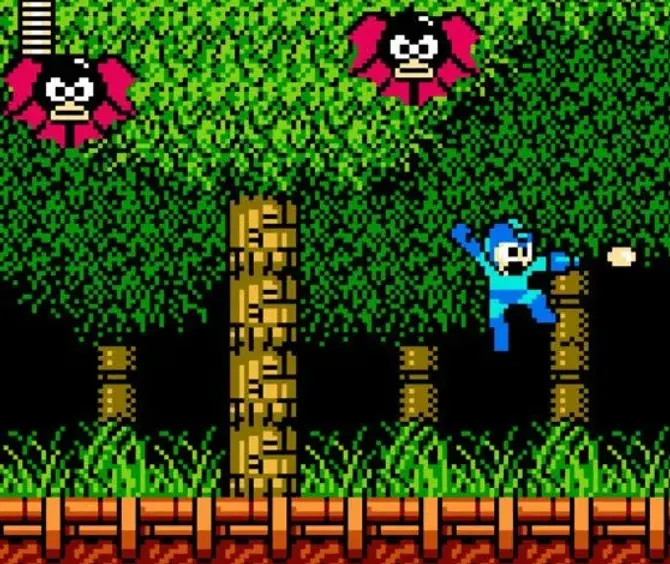
Mega man Level 2 playtest
Playtest review of my second Mega Man level design
As a game developer, one of the most important aspects of creating a successful game is obtaining and utilizing feedback from playtesters. Recently, I had the opportunity to collect feedback on a Megaman level I had designed, themed after the jungle. Here’s how the process went.
Firstly, I selected a group of playtesters with varying degrees of experience playing Megaman games. This was important as it allowed me to get a range of feedback from players with different skill levels and perspectives. I then provided them with the level to play, along with a questionnaire to fill out afterward.
The feedback I received was extremely valuable in helping me to improve my level. One of the main issues that several playtesters mentioned was the difficulty. While some players found the level to be challenging but fair, others struggled with certain sections and felt that the difficulty ramped up too quickly. As a result, I decided to make some adjustments to the level design, tweaking the placement of enemies and obstacles to make it more balanced and accessible to all players.
Another common issue that was raised was the use of environmental hazards. While some players appreciated the addition of hazards such as spikes and quicksand, others found them frustrating and felt that they detracted from the overall experience. In response, I decided to tone down the hazards slightly, making them slightly less punishing while still adding an element of danger to the level.
One of the most positive aspects of the feedback was the praise for the level’s atmosphere and design. Players enjoyed the vibrant jungle setting and the use of swinging vines and other jungle-themed elements. This feedback encouraged me to double down on the theme and incorporate more elements that fit with the jungle setting.
In addition to the specific feedback on the level design, there were some more general comments that were useful to take into account. For example, several players mentioned that they found it difficult to see certain enemies due to the color scheme. This led me to make some adjustments to the color palette, ensuring that enemies and obstacles stood out more clearly against the background.

Overall, the playtest feedback was incredibly valuable in helping me to refine the level design and create a more enjoyable and balanced experience for players. The process of collecting feedback can be daunting, as it can be tough to hear criticism of your work. However, it’s important to remember that feedback is not personal – it’s a tool to help you create a better game. As a result, I was able to take the feedback on board and use it to improve the level, making it more accessible and enjoyable for a wider range of players.
In conclusion, playtesting and feedback are vital parts of the game development process, and I was fortunate to have the opportunity to gather feedback on my Megaman jungle level. Through careful analysis of the feedback, I was able to make adjustments that improved the level design and made it more enjoyable for players. By listening to feedback and taking it on board, developers can create games that are more polished and engaging, ultimately leading to a better experience for players.